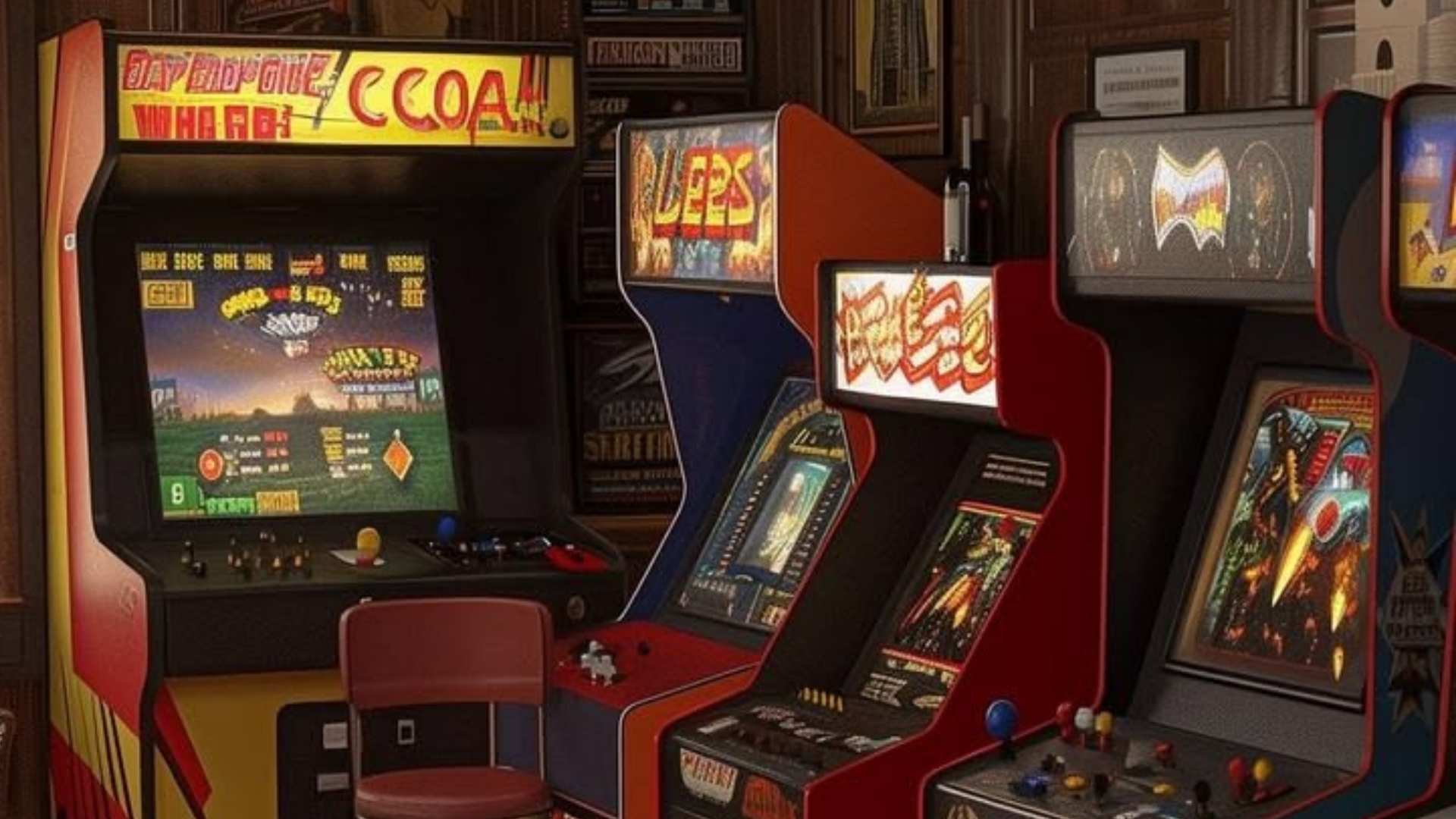
The online gaming industry has undergone a massive transformation, shifting from basic high-score chases to complex cooperative landscapes. Modern players look for deeper engagement that goes beyond traditional team deathmatches or simple capture-the-flag scenarios. Developers are answering this call by introducing innovative goals that challenge both tactical thinking and group coordination.
The Evolution of Modern In-Game Challenges
Traditional multiplayer modes often rely on straightforward mechanics like eliminating opponents or holding territory. However, contemporary video games are introducing multi-layered victory conditions that require players to solve puzzles while under fire. These fresh concepts keep the gameplay loop exciting and ensure that matches rarely feel repetitive.
By blending environmental hazards with shifting win conditions, studios can create highly dynamic arenas. Players must constantly analyze the battlefield and alter their strategies on the fly to stay ahead. This unpredictability boosts replay value and fosters a more dedicated community of enthusiasts.
Fostering Advanced Team Coordination
Creative match objectives naturally demand a higher level of communication among participants. Instead of relying purely on individual mechanical skills, teams must synchronize their actions to achieve complex milestones. For instance, one group might defend a moving asset while another gathers essential resources across the map.
This division of labor allows individuals with varying playstyles to contribute meaningfully to the final victory. For those looking to experience platforms that support diverse digital ecosystems, accessing a secure M88 login can provide entry to modern online hubs. Engaging with these advanced systems helps players understand the value of strategic collaboration across different gaming genres.
Asymmetrical Design and Varied Roles
One of the most exciting trends in modern multiplayer design is the rise of asymmetrical match formats. In these scenarios, opposing teams have completely different goals, abilities, and victory paths. This format forces players to understand the game from multiple perspectives, deeply enhancing the overall tactical experience.
When one side plays as powerful monsters trying to disrupt a ritual while the other side acts as fragile humans attempting to complete it, the tension rises significantly. Such designs ensure that every match tells a unique story driven by player choice and ingenuity. It moves the genre away from predictable patterns into truly creative territory.
The Future of Interactive Entertainment
As technology continues to advance, the potential for even more immersive match objectives grows exponentially. Persistent online worlds and live-service models allow developers to update challenges weekly, keeping the community highly engaged. Future titles will likely integrate community-driven decisions directly into live match parameters.
Ultimately, the focus on creativity in multiplayer design ensures that the landscape remains vibrant and competitive. Gamers will continue to seek out experiences that push their cognitive limits and reward genuine teamwork. The era of predictable online battlefields has officially given way to an age of innovation.